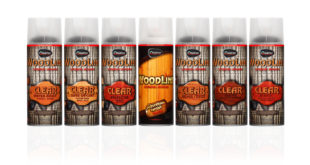
Babilox Spray Paints Babilox Spray Paints Uk
Spray-painting is a convenient way to change color or simply refresh a variety of furnishings. People can spray-paint most wood surfaces, including furniture, home décor, and outdoor furniture. The type of spray paint to use depends on the specific type of product a person paints. Usage of the final product is another important consideration. Before painting, people should prepare the wood product by incorporating several steps to ensure a better quality finish. They should then seal the wood product for added durability and sheen.
Steps to Spray-Painting Wood
“Spray paint wood” involves several steps that help produce a high-quality product that can withstand daily use. Always read the instructions on each product before using on the wood to learn any brand- or ingredient-specific details. It is best to paint in a well-ventilated area and to protect other surfaces from the paints and primers in use.
Preparing the Wood
Sand the wood with a fine- or medium-grain sandpaper to remove any bumps and previous sealants. Sandpaper is available in single sheets or as blocks. Take safety precautions when sanding wood surfaces that likely received paint before 1970 because of the possibilities of lead contaminants.
Once the wood is smooth, thoroughly wipe the surface with a tack cloth to remove the dust and other particles. Tack cloth is material with a slightly tacky feature that specifically picks up very fine particles without leaving any residue.
Priming the Wood
A primer is a coat applied before the actual spray paint. It prepares the wood to accept the paint color and acts as a bond between the paint and the wood surface. It also helps hide bold colors that the new paint will cover. Primers are available in spray or brush varieties and appear similar to white paint. Spray in long, even strokes, holding the can about 8 inches to 10 inches from the surface, unless different directions exist on the can of primer.
Painting the Wood
Once the primer is dry, spray-paint the wood surface. Like the primer, apply the spray paint using long, even strokes, and hold the can about 8 inches to 10 inches from the surface. Dripping and pooling of paint could occur if painters hold the can in place too long.
Many types of spray paint are available for wood surfaces. Consider the daily use of the final product, the overall look for the piece, and the ability to clean the surface before selecting a spray paint.
Spray Paint Option |
Uses and Characteristics of Paint Option |
| General purpose | Dries quickly
Usually least expensive item Available in variety of colors |
| Chalkboard paint | Usually comes in green or black color
Turns wood surface into chalkboard quality that accepts chalk writings and erasing Does not have glossy surface |
| Glossy paint | Available in variety of colors
Provides a durable surface that usually withstands indoor and outdoor use High gloss paints provide a surface that is easier to clean than flat paints |
| Textured paint | Available in standard colors as well as metallic options
Adds a texture to the surface, such as a stone finish More expensive than general purpose paints |
People have many finishes and brands from which to choose for spray paint. The use of the product and the ease of ability to clean the surface are considerations. Glossy paints tend to provide the best option for both durability and cleaning ease. More than one coat of paint is usually best for wood surfaces, so read the product label to determine how much coverage is available in a specific can of paint.
Sealing the Wood
A final sealant provides extra protection. Use easy-to-apply polycrylic sprays to almost any spray paint finish. If the surface is white, look for a sealant that will not cause yellowing. Many sealants have a slightly off-white coloring.